How about generating energy with your toilet trip?
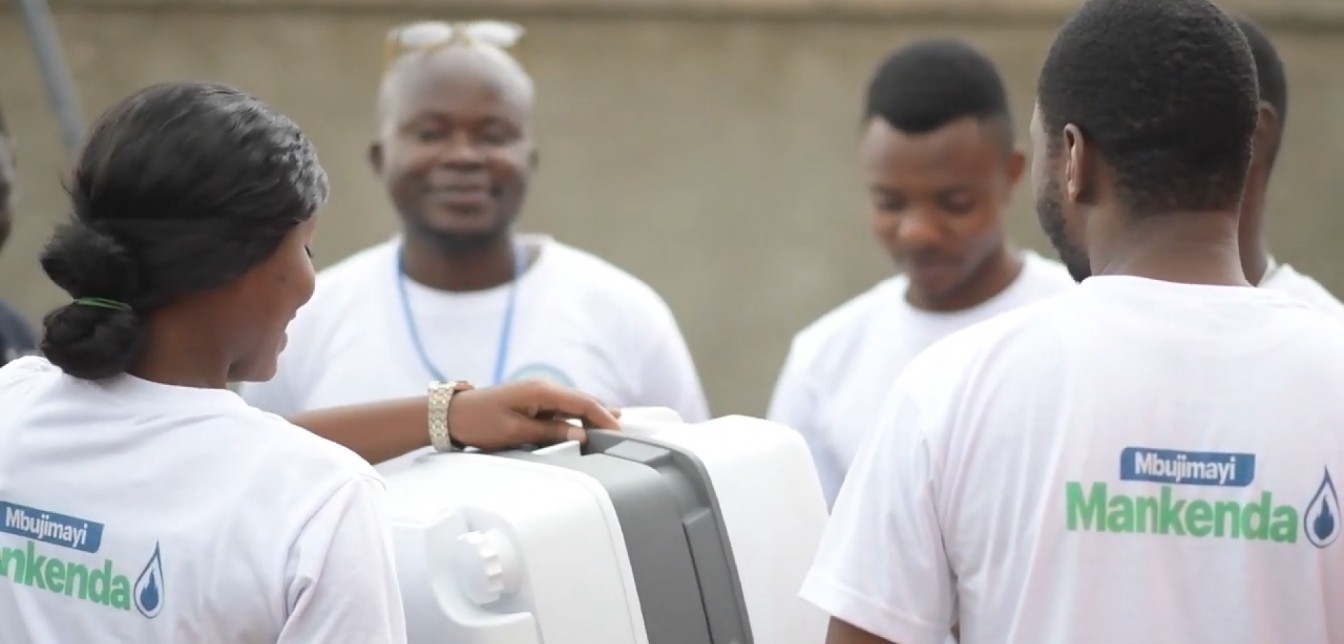
Enabel carries out a pilot project in the Congolese metropolis of Mbuji-Mayi to generate energy from human excrement.
Metropolis without sewage system
In Mbuji-Mayi sanitation is not what it should be: due to very rapid urbanisation usually several families share facilities. Sewers are lacking and sanitation is limited to communal latrines. Often 4 to 5 households share one toilet on their plot of land. In the morning, queues are long, even though everyone wants to get out of the poorly-maintained small room as quickly as possible. As it is very difficult to build a sewage system in a city that is bursting at the seams improving the sanitary situation seems a distant prospect.
Yet, waste water management is crucial for public health because a lot of diseases such as cholera and typhoid fever are transmitted via dirty water.

Water, source of life
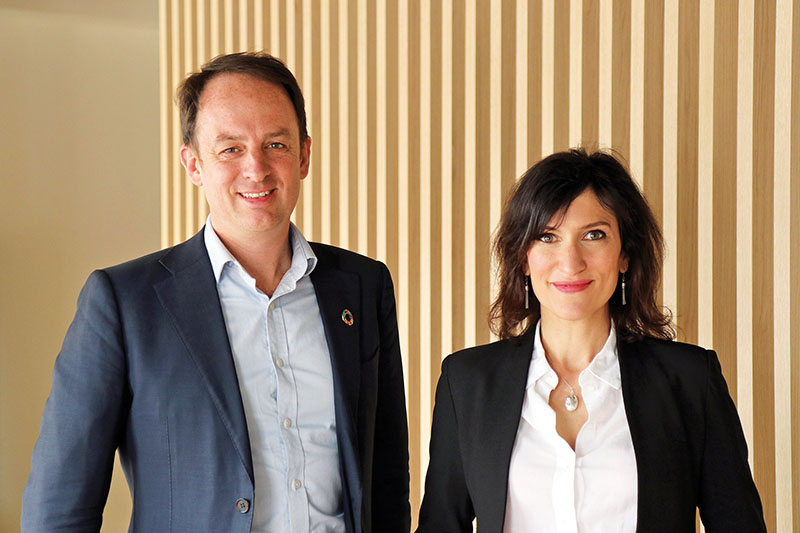
“To raise awareness about the importance of clean toilets and the health benefits associated with them, we came up with the idea of making people’s toilet trips a more pleasant experience,” explains Lucas Cornet, project manager at Enabel’s.
Now, people want to do this as quickly as possible and leave, without thinking about the next user. This is, of course, because they have to share those toilets, so they are not maintained. The company in charge of operating the sanitation project, Mbuji-Mayi Propreté, offers families a portable toilet to let. This is a toilet with a closed bowl underneath, similar to the toilets in caravans or RVs. A family ‘takes ownership’ of the toilet. It is used by far fewer people as it can be placed in their own home. The excrement is then collected every two days by a collection service. The collected contents are then placed in a bioreactor and converted by active bacteria into biogas.
The methane gas is then collected and can be used to for instance power a cooker.
“We used to share a toilet with 15 people. Now, just my family uses it and we take care for it.” José Nguida, user of a portable toilet for two months
From toilet to omelet
“At the moment we use a short-chain approach: Near the bioreactor, a woman sells bread and omelets from her stall. She directly uses gas from our bioreactor. That way, we really can show how people can contribute People will be much more motivated to collect their excrement and maintain their toilets properly if they see that the energy released can be used for cooking. For a nice omelet in this case,” Lucas Cornet adds laughing.

José Nguida is an enthusiast user of the service: “I have been a customer for almost two months. We used to share a toilet with 15 people. Now, just my family uses it and we take care for it.”
“Collecting human excrement is nothing new,” clarifies Lucas. “It is an age-old custom in different parts of the world; the excrement is mostly used as agricultural fertiliser.” But it is a labour-intensive process and because of sanitation facilities (sewers, toilets with flush buttons) people have forgotten that their faeces can also contribute to a sustainable world.”
150 families are currently participating in the pilot project. The company hopes to offer this service in other neighbourhoods as well, thus contributing to a clean and hygienic city!